When I recall memories, it always helps to visualize the physical space. Thinking back to my last high school basketball game, I can clearly see the Albany High School gym, the bleachers adorned with red and white balloons. When I imagine Sunday services at the Berkeley Buddhist temple, the scene would be incomplete without the simple wooden pews and the trails of incense wafting around the hondo. These are my personal recollections, but spaces also play an invaluable role in preserving memories that are not our own. From studying clandestine torture centers in South America to visiting former Japanese incarceration camps, my experience with physical memory sites have shown me the power of remembrance as resistance. This is a strategy I hope to use during my time at the National Japanese American Historical Society (NJAHS), and beyond. 

Last summer, I flew from San Francisco to Buenos Aires, Argentina to begin a four-month study abroad program. I arrived, with a cohort of around 28 other UC students, to study human rights and cultural memory. This was my first time in South America. The program was structured so we spent two months in Argentina and two months in Chile, taking university classes from top scholars in genocide and memory studies. Both Latin American countries experienced violent military dictatorships, which oversaw the murders, tortures, and exiles of thousands of citizens. Decades later, Argentines and Chileans continue to reckon with these legacies. 

In our classes, we read formal analyses, examined art, and listened to survivors’ testimonials — all aiming to give us a better idea of how these atrocities occurred and how societies heal. Another important component of the program was visiting memory sites, which are physical spaces that sustain these histories.  

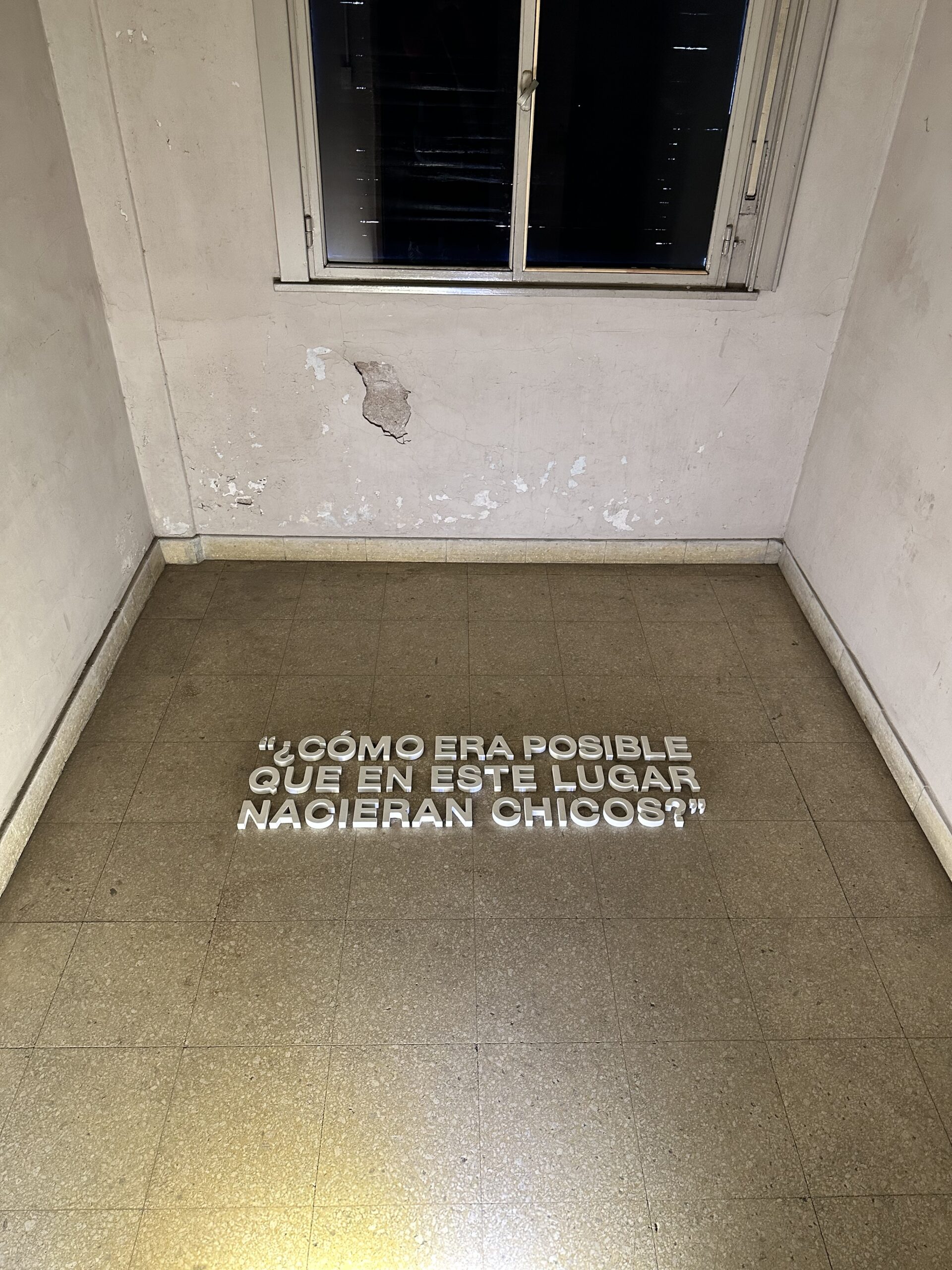
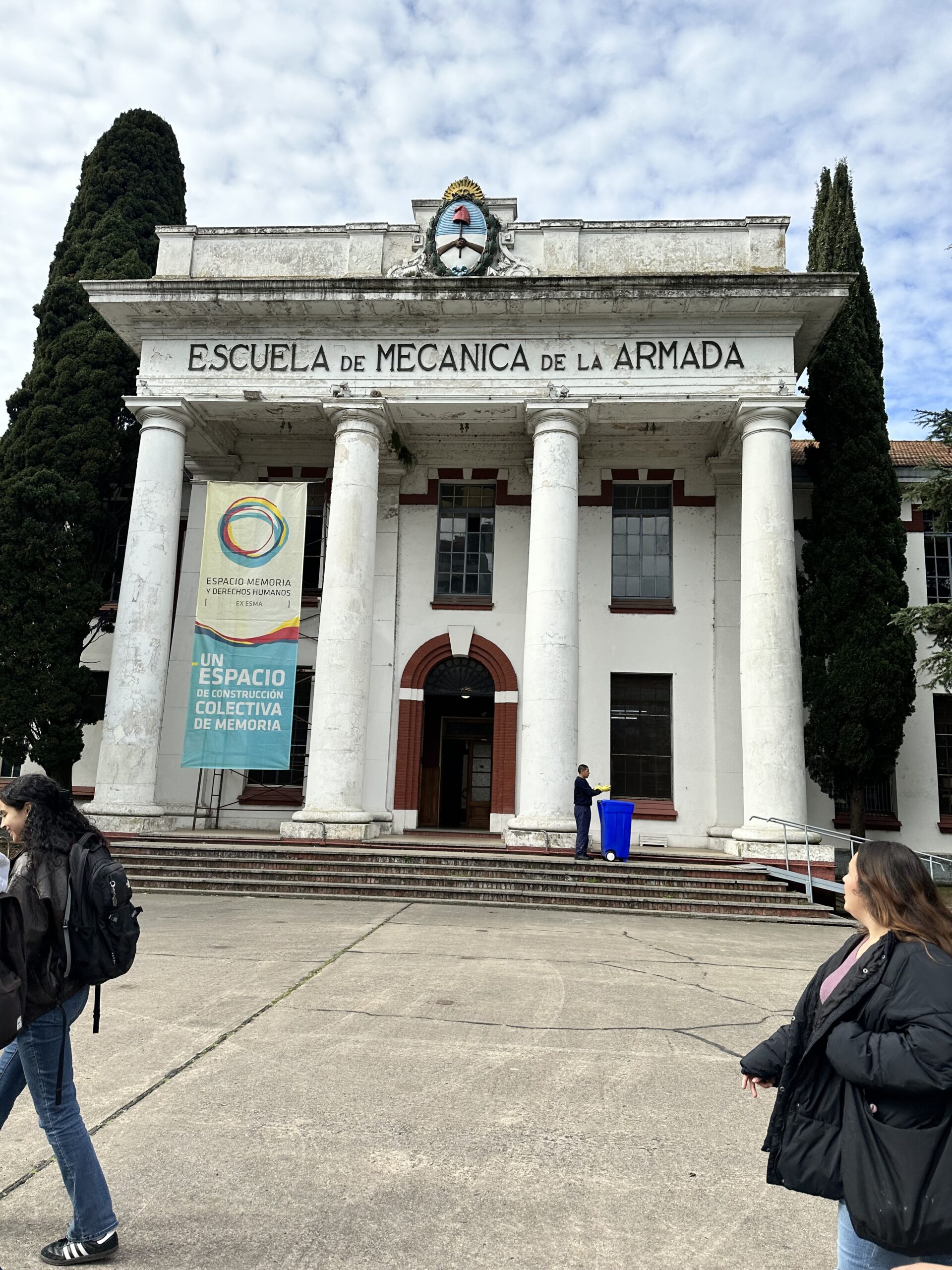
In Buenos Aires, we visited Ex-ESMA, a former property of the Argentine Navy which acted as a torture and extermination center during the Military Junta dictatorship of 1976-1983. As part of the building’s permanent exhibitions, they have preserved La Capucha (The Hood), a cramped, inhospitable attic where the kidnapped prisoners were held, sometimes for years. It was gut wrenching to stand in that space, imagining how people endured those conditions. 
Argentina

Outside of Ex-ESMA

One of the preserved rooms inside Ex-ESMA. The text reads, How was it possible that children were born in this place? 

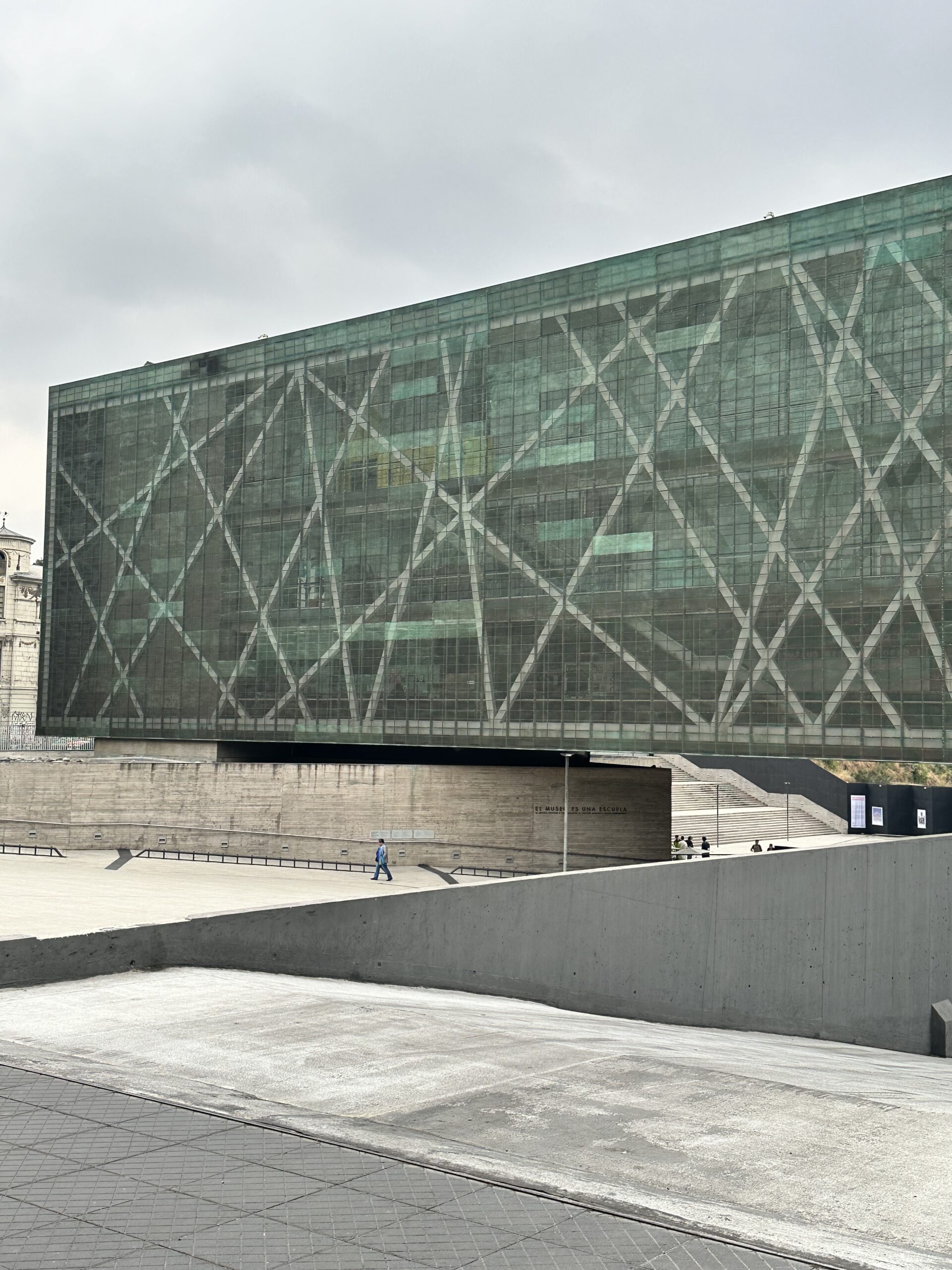
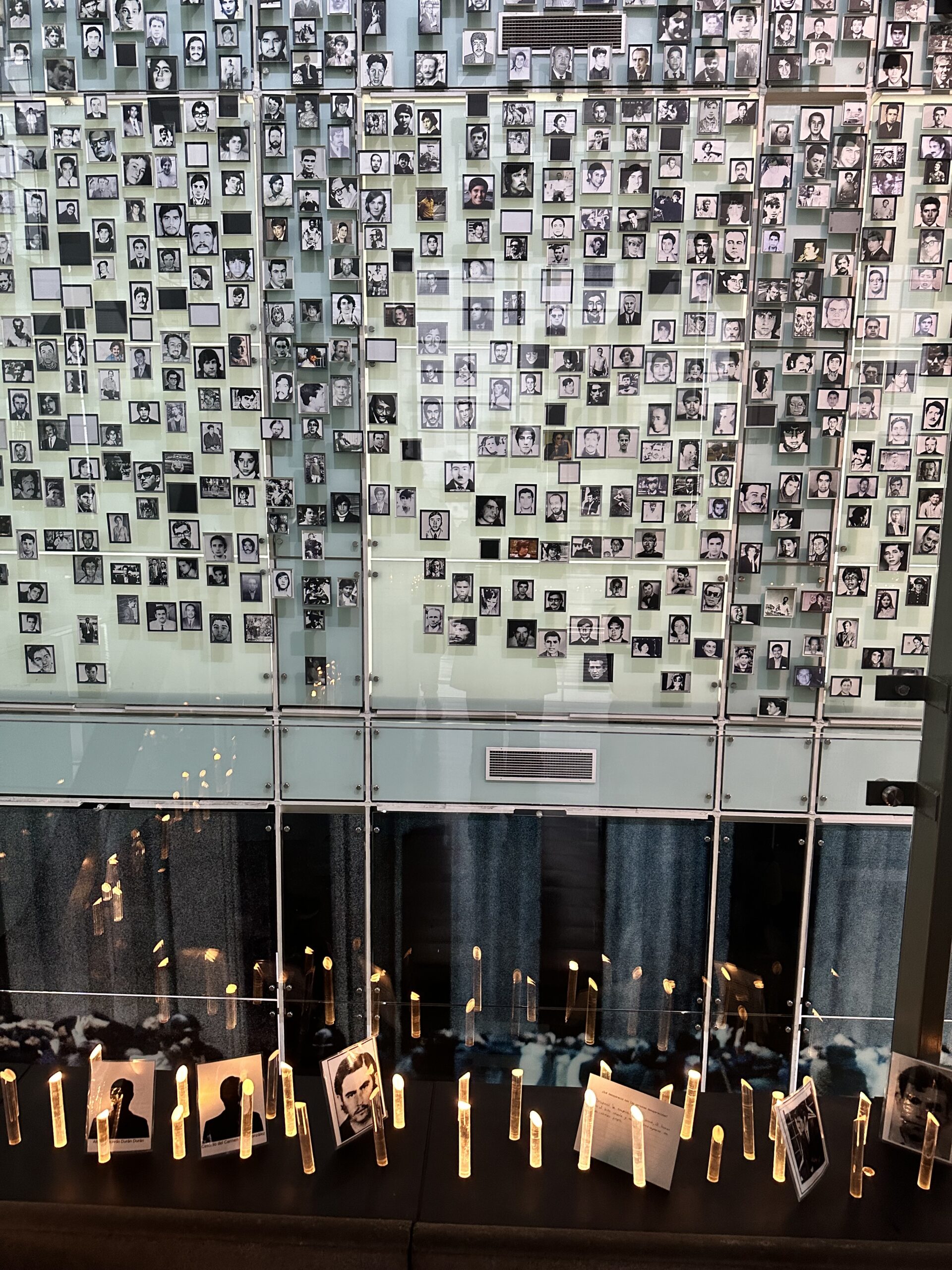
In Santiago, where the military dictatorship lasted for 17 long years, we also visited several memory sites. One of these was the Museo de la Memoria y los Derechos Humanos (MMDH). At the museum, we gazed out at a huge mosaic of framed photographs depicting those disappeared or executed during Pinochet’s dictatorship. Using a touchscreen, we read the stories of these individuals and lit candles on the perimeter of the room to symbolize remembrance.

Chile

The outside of the Museo de la Memoria y los Derechos Humanos 

A closer look at the portraits and the candles lit in remembrance

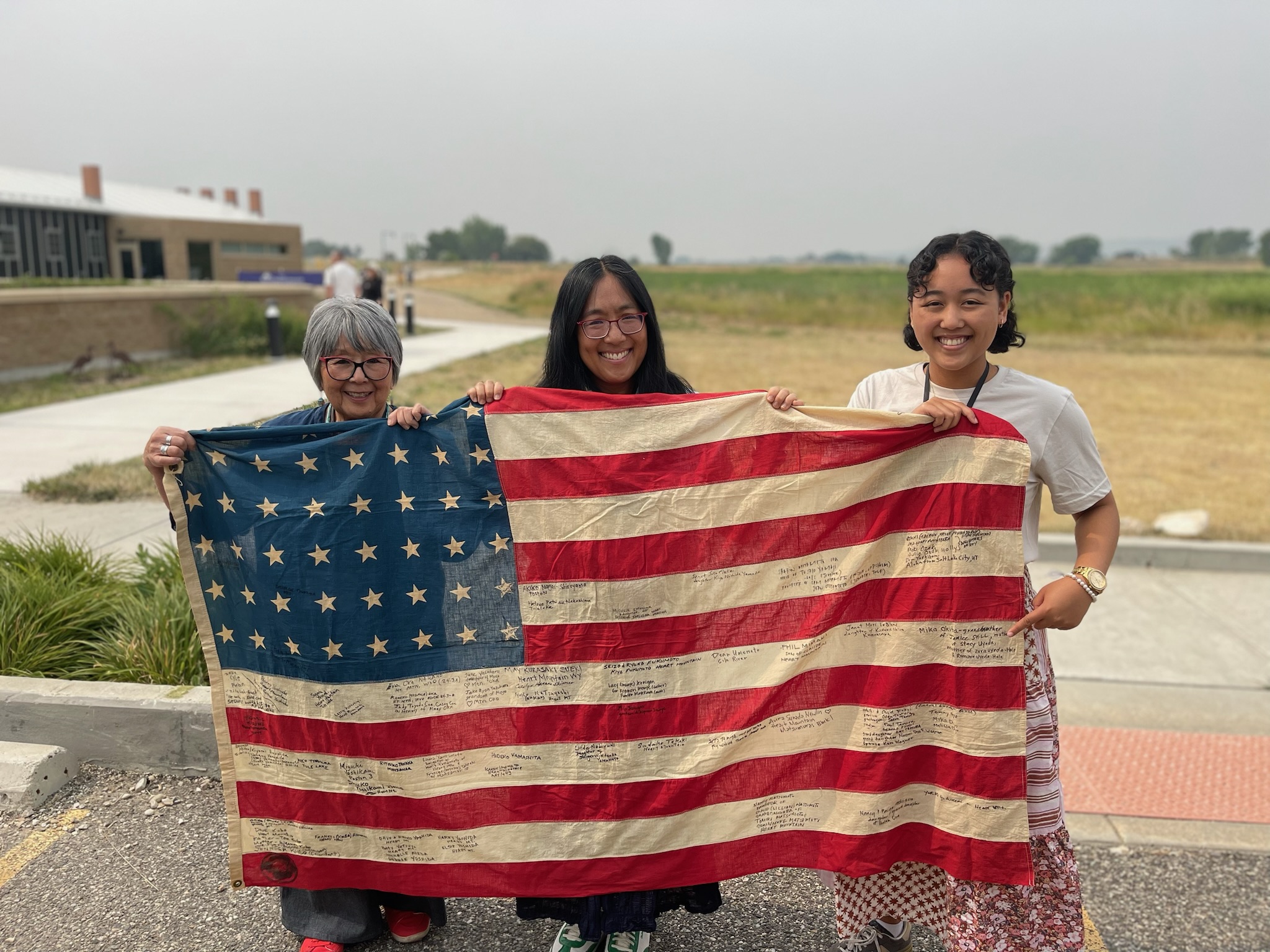
Visiting these memory sites reminded me of my time at the Heart Mountain Interpretive Center in Powell, Wyoming. When my maternal grandmother was a toddler, Executive Order 9066 uprooted her life, forcibly removing her family from their farm in California. To resist incarceration, her family lived in a train car in Utah until World War II ended. However, the rest of her relatives—her aunts, cousins, and grandmother—were sent to Heart Mountain. In July 2024, I went on a pilgrimage to this former Japanese American incarceration camp with my parents and grandparents. We represented three generations of Japanese Americans, returning to remember, grieve, and learn. As we ate dinner, my grandmother shared hazy memories of visiting her cousins inside the incarceration camp, driving in past the barbed wire fences. Using the records at the Interpretive Center, we were able to find where our Sasaki/Okita family barrack used to stand. The original barracks are gone now, but as I walked on the same dusty, Wyoming soil where my ancestors were imprisoned eighty years ago, I felt the weight of grief heavy in my chest.

Wyoming

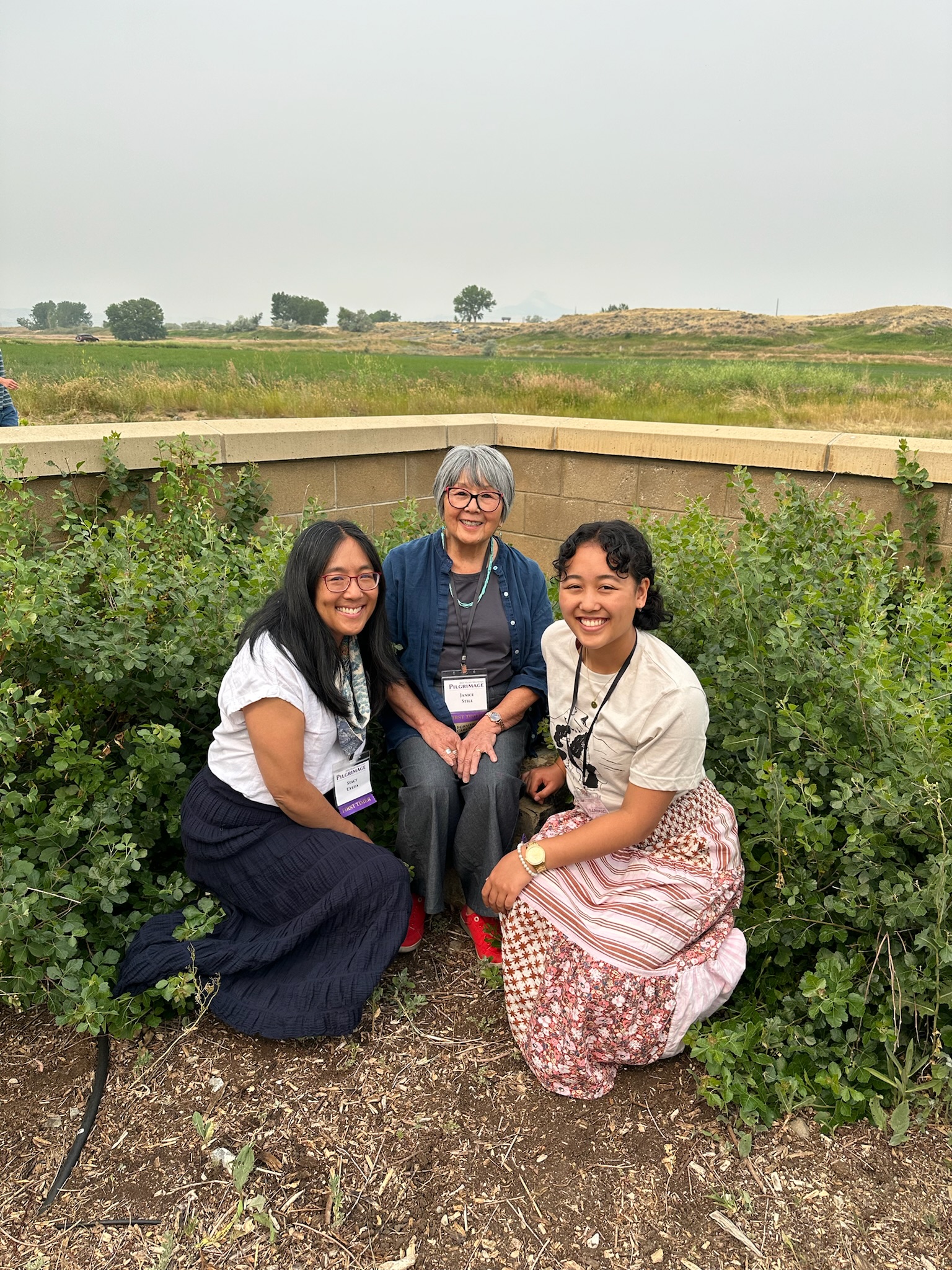
Zora, her mother, and her grandmother at the Heart Mountain pilgrimage

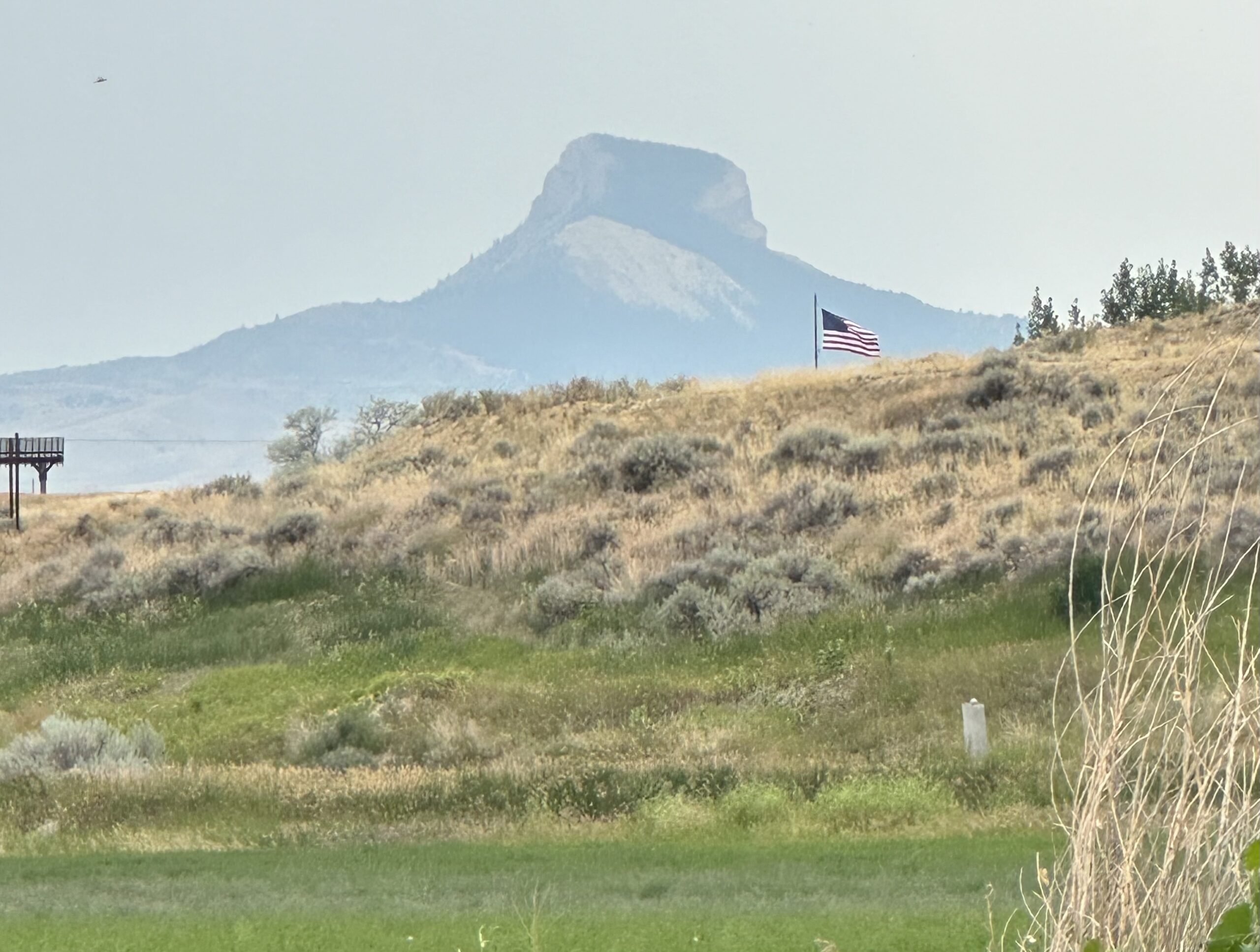
Heart Mountain in Powell, Wyoming

3 generations of Heart Mountain descendants 

After visiting these memory sites, I have a stronger understanding of the deep wounds that remain in Argentina, Chilean, and American societies. These are some of the darkest, most shameful moments. We are still dealing with the repercussions today. Interestingly, in addition to immense grief and loss, I feel a sense of gratitude. It is incredible that so many years after these atrocities took place, cultural memory still survives. In 2025, I am able to grieve, only because survivors transferred their memories, persevering through the pain of reliving and sharing their trauma. All of these physical sites, which could have been redeveloped and erased, have instead been maintained. These are choices that should not be taken for granted. Their presence asserts the continued relevance of these histories on an intergenerational and international scale. To me, they represent an incredible amount of hope.

As an organization dedicated to the preservation of the Japanese American experience, NJAHS clearly views remembrance as crucial. During my time as a NJAHS intern, I hope to draw from the many lessons I learned from my visits to memory sites—from Wyoming to the Southern Cone. Although each space holds its unique history, spanning time periods and national borders, they all serve as a vessel for resistance, bearing an essential mix of grief and hope.

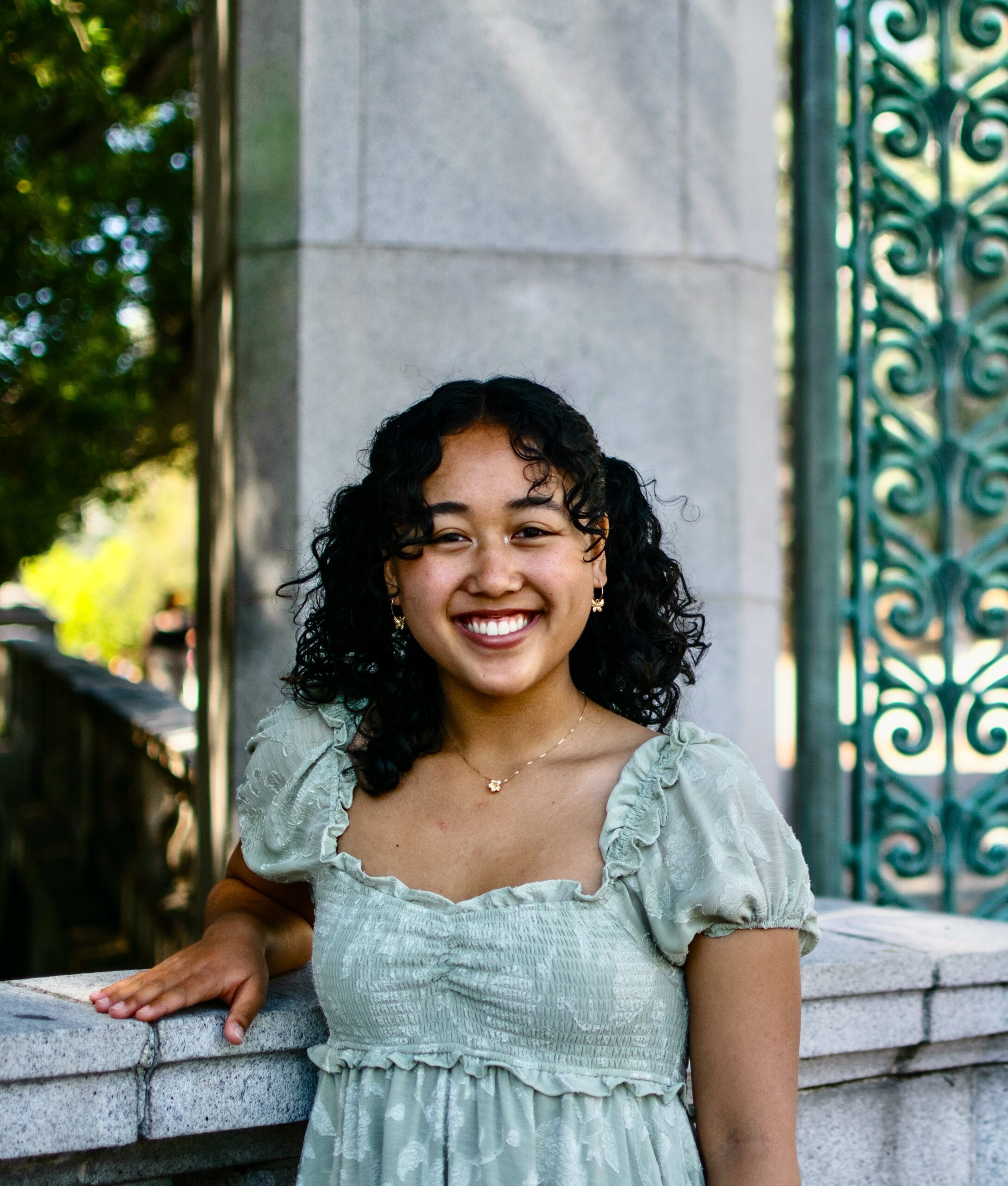
Zora Uyeda-Hale (she/her) is a 2025 Nikkei Community Intern at the National Japanese American Historical Society. She is going into her fourth year at UC Berkeley, double majoring in Ethnic Studies and Society & Environment, with a minor in Human Rights. Zora is passionate about environmental justice, art as activism, and grief studies. In her free time, she loves listening to music, pressing flowers, and drinking matcha.