When I recall memories, it always helps to visualize the physical space. Thinking back to my last high school basketball game, I can clearly see the Albany High School gym, the bleachers adorned with red and white balloons. When I imagine Sunday services at the Berkeley Buddhist temple, the scene would be incomplete without the simple wooden pews and the trails of incense wafting around the hondo. These are my personal recollections, but spaces also play an invaluable role in preserving memories that are not our own. From studying clandestine torture centers in South America to visiting former Japanese incarceration camps, my experience with physical memory sites have shown me the power of remembrance as resistance. This is a strategy I hope to use during my time at the National Japanese American Historical Society (NJAHS), and beyond.
Last summer, I flew from San Francisco to Buenos Aires, Argentina to begin a four-month study abroad program. I arrived, with a cohort of around 28 other UC students, to study human rights and cultural memory. This was my first time in South America. The program was structured so we spent two months in Argentina and two months in Chile, taking university classes from top scholars in genocide and memory studies. Both Latin American countries experienced violent military dictatorships, which oversaw the murders, tortures, and exiles of thousands of citizens. Decades later, Argentines and Chileans continue to reckon with these legacies.
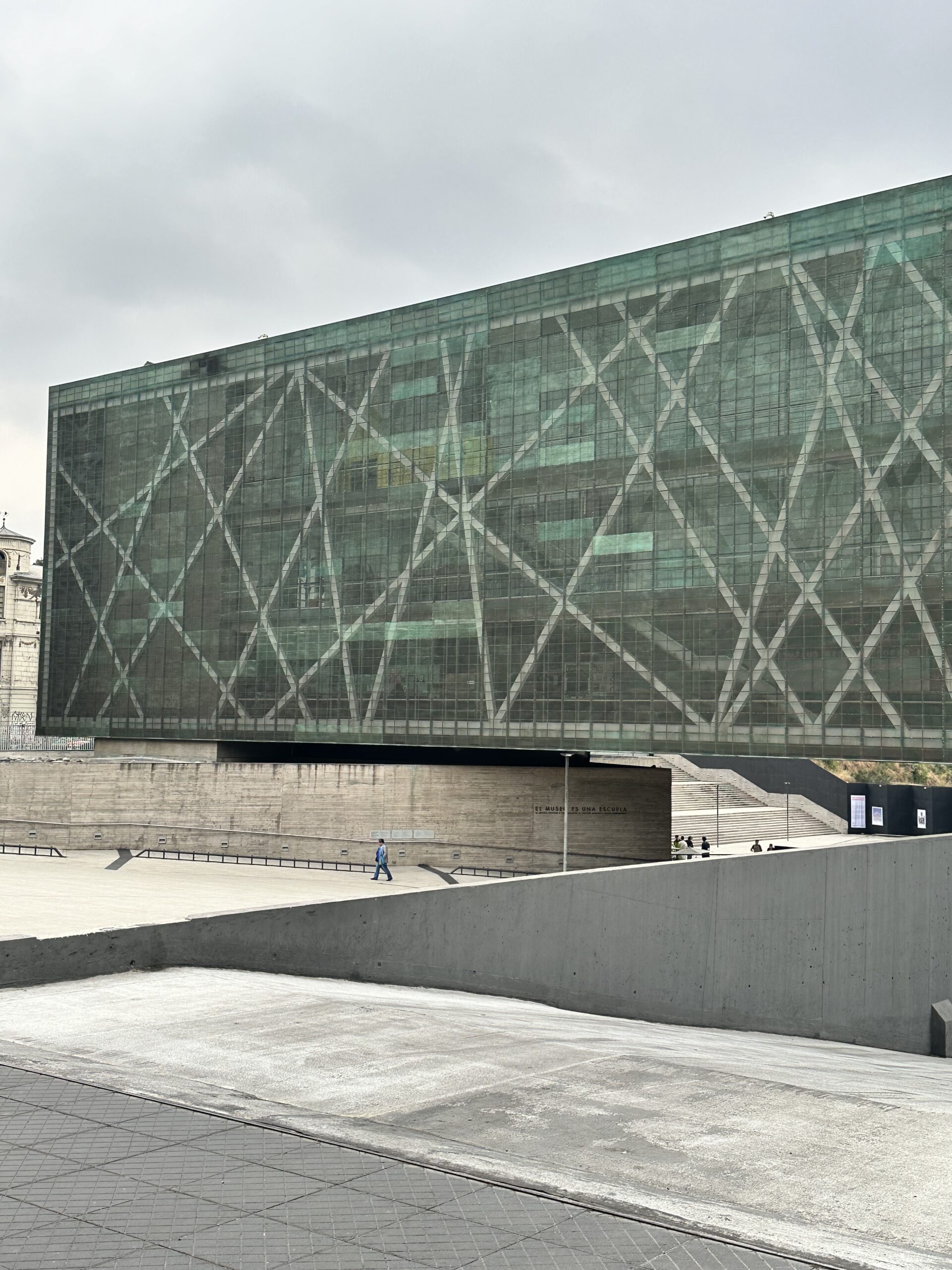
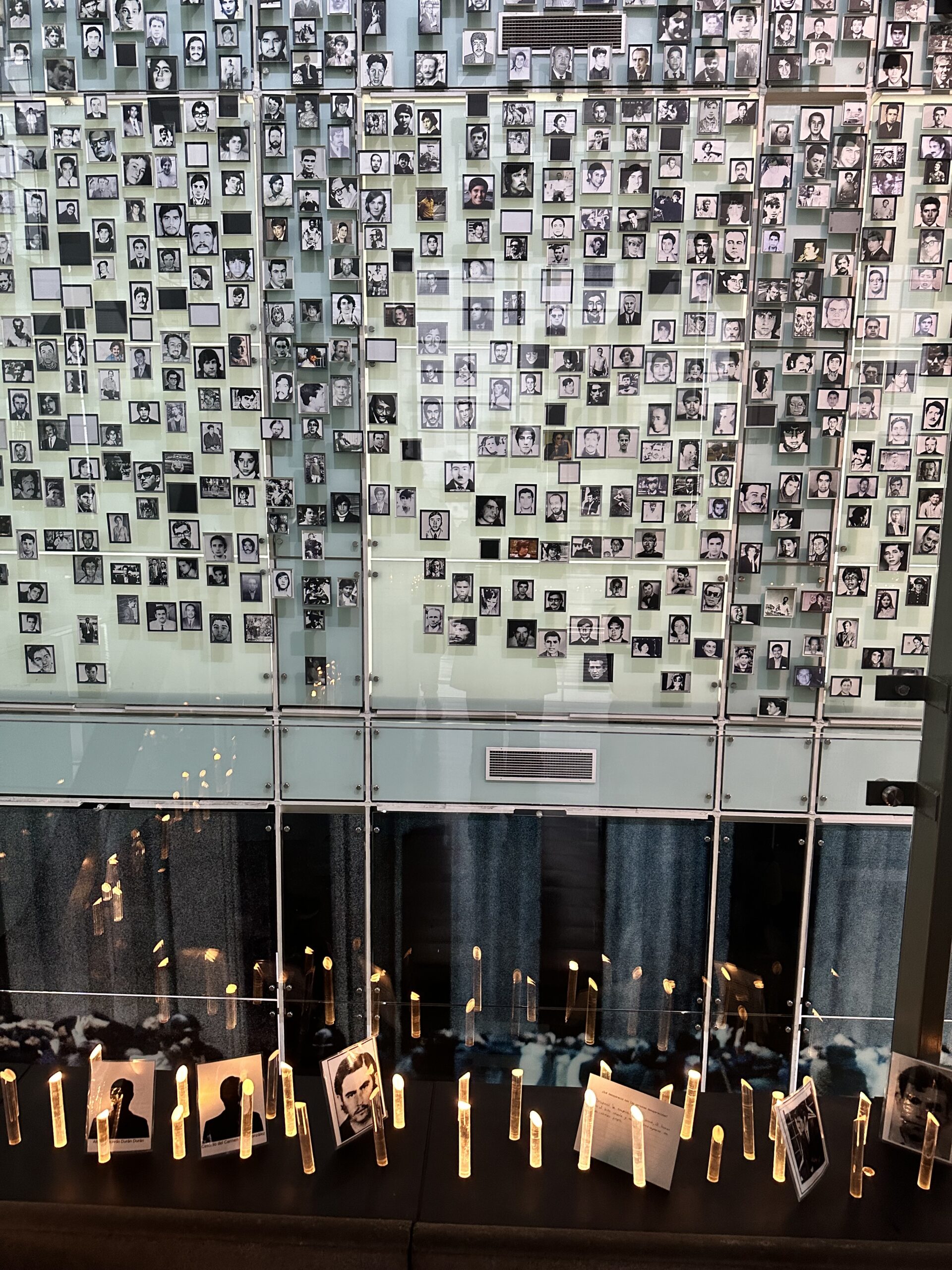
In our classes, we read formal analyses, examined art, and listened to survivors’ testimonials — all aiming to give us a better idea of how these atrocities occurred and how societies heal. Another important component of the program was visiting memory sites, which are physical spaces that sustain these histories.
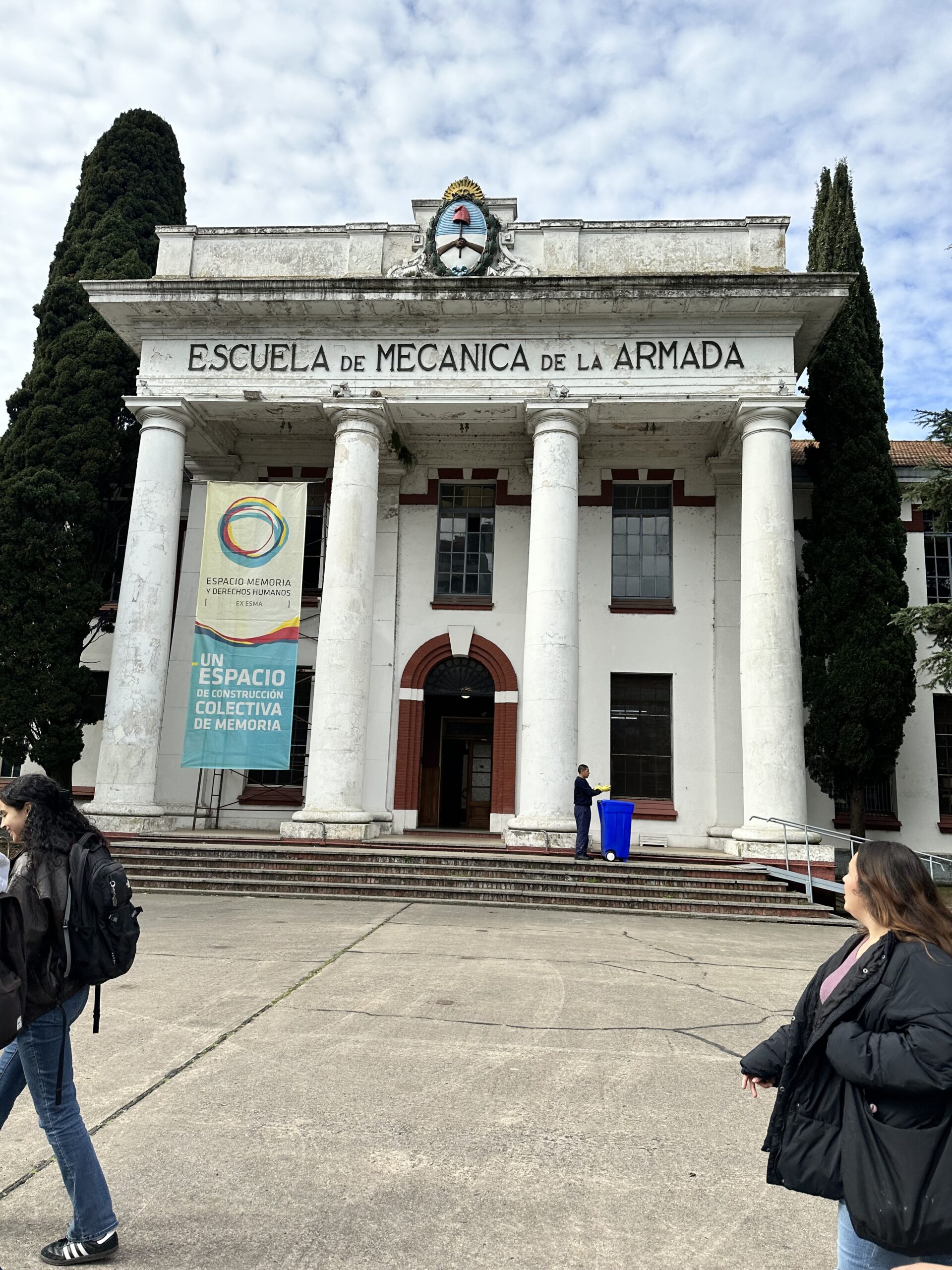
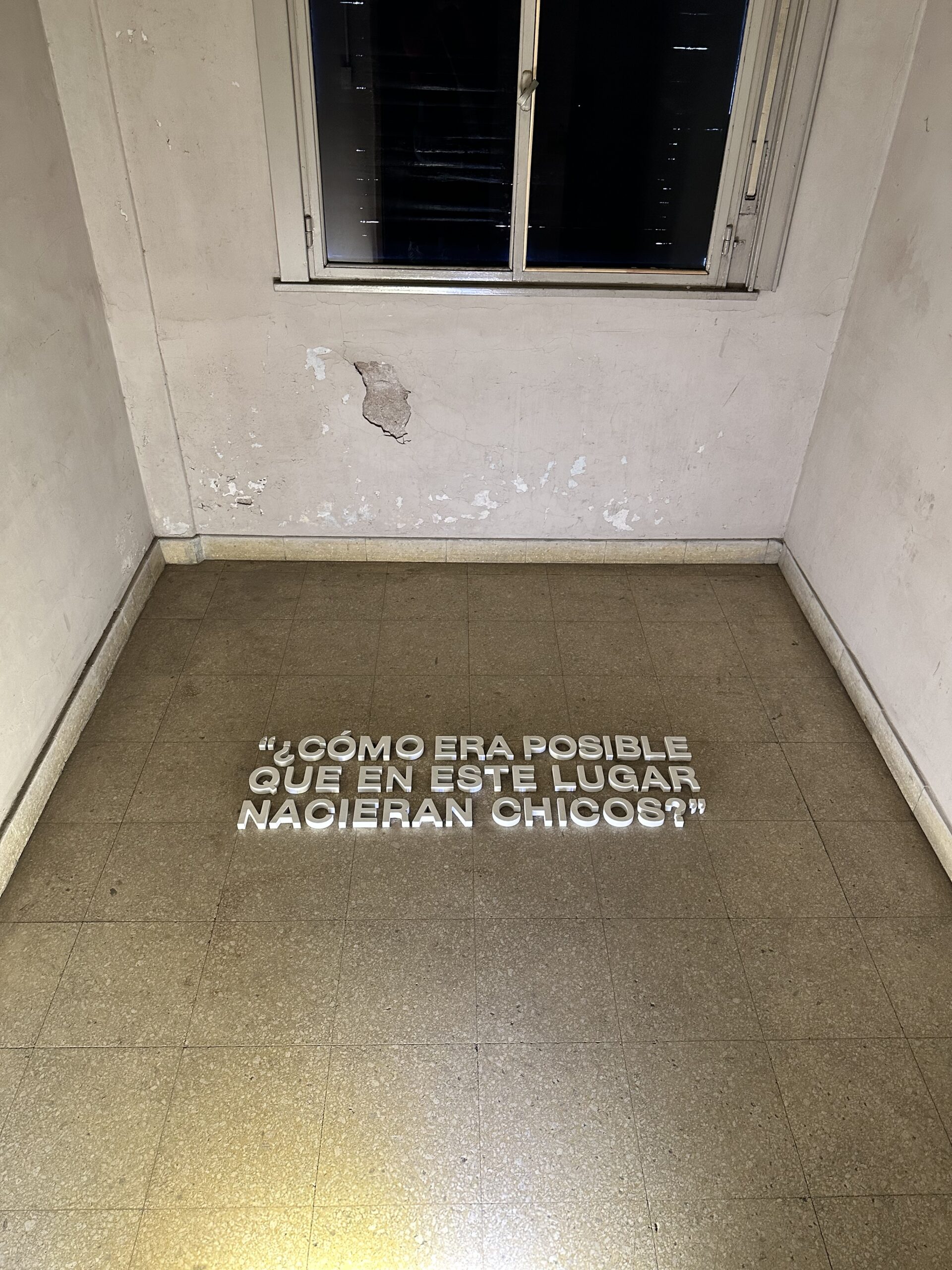
In Buenos Aires, we visited Ex-ESMA, a former property of the Argentine Navy which acted as a torture and extermination center during the Military Junta dictatorship of 1976-1983. As part of the building’s permanent exhibitions, they have preserved La Capucha (The Hood), a cramped, inhospitable attic where the kidnapped prisoners were held, sometimes for years. It was gut wrenching to stand in that space, imagining how people endured those conditions.